
Italian and Pasta Buffet Catering
Italian pasta buffets are among the most universally popular catering options for corporate lunches — the combination of rich sauces, satisfying portions, and familiar flavors generates consistent enthusiasm across teams of any size. A well-structured Italian buffet covers the range of preferences: a tomato-based pasta for classic tastes, a white or pesto option for variety, a protein like chicken parmesan or meatballs for heartier appetites, and a fresh salad to balance the meal. Italian cuisine is also naturally strong on vegetarian options, making it easy to accommodate non-meat-eaters without a separate menu.
Italian and Pasta Buffet by City


Our Menus
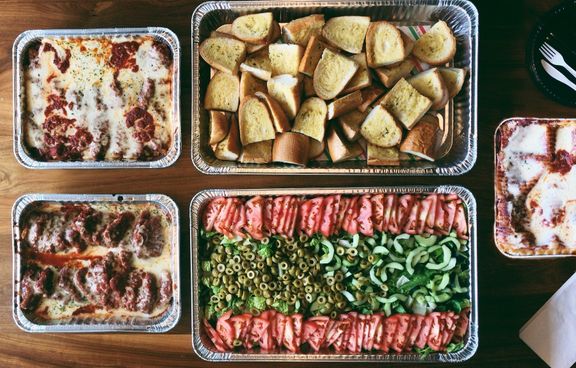
How to Keep Pasta Fresh During Buffet Service
Pasta is best eaten within 20-30 minutes of being served — after that, it continues to absorb sauce and soften. To slow this process, keep pasta in a chafing dish with gentle, indirect heat (a water bath under the pan rather than direct flame). If your event runs longer than 90 minutes, ask your caterer about delivering a second batch mid-service. A light coat of olive oil tossed into the pasta before service also helps prevent sticking and sauce over-absorption.
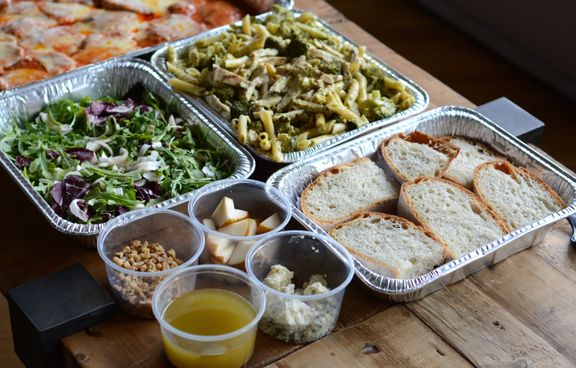
Building a Complete Italian Buffet Menu
A well-structured Italian buffet pairs at least two pasta varieties with distinct sauces — one red (marinara, arrabbiata, bolognese) and one white (alfredo, pesto, or cacio e pepe) — alongside a protein, salad, and bread. This structure ensures both light eaters and hungry guests can build a satisfying plate, and the contrast between sauce styles guarantees something for everyone. A Caesar or arugula salad provides a fresh counterpoint to the heavier pasta courses.
Frequently Asked Questions
How much pasta should I order per person for a buffet?
Plan for 4-5 oz of dry pasta (about 8-10 oz cooked) per person as a main course. For a buffet where pasta is one of several items, 3-4 oz dry per person is sufficient. If you're serving multiple pasta varieties, reduce per-variety quantity slightly — guests tend to take smaller portions when more options are available. Order a 10-15% buffer over headcount to avoid running out.
Are there vegetarian and gluten-free options in an Italian pasta buffet?
Yes — Italian cuisine is naturally rich in vegetarian options. Pasta primavera, marinara, cacio e pepe, pesto, and cheese-filled baked pastas are all vegetarian. Gluten-free pasta is available from select caterers as an accommodation. If your group includes vegan guests, confirm that pasta dishes don't contain hidden butter, cream, or parmesan — several traditional sauces use dairy even in vegetable-based preparations.
How do you keep pasta fresh and hot during a long buffet service?
Pasta begins to absorb sauce and soften quickly once served — for best quality, plan to begin service within 15-20 minutes of delivery. Use chafing dishes with water underneath (not direct flame) to keep pasta warm without drying it out. If the buffet runs longer than an hour, ask your caterer whether a second batch can be delivered mid-service to refresh quality for late arrivers.
What's the best way to structure an Italian buffet menu?
A well-structured Italian buffet includes a protein (chicken parmesan, meatballs, sausage, or shrimp), one or two pasta varieties with distinct sauces (one red/tomato-based, one white/cream or pesto), a salad (Caesar or mixed greens), and bread. This covers the full range of preferences and ensures vegetarians have multiple substantive options without a separate menu.
What ingredients are in Italian and Pasta Buffet?
Appetizers
- Arancini
- Burrata Caprese Salad
- Fried Calamari
- Meatballs
- Miniature Riceballs
- Mozzarella in Carrozza
Pastas
- Baked Ziti
- Baked Ziti with Italian Sausage
- Beef Ravioli
- Cheese Ravioli
- Chicken Alfredo
- Chicken Broccoli Penne with Pesto Cream Sauce
- Chicken Marsala with Homemade Fusilli
- Chicken Parm with Penne
- Chicken Piccata with Fettuccine
- Chicken Saltimbocca with Linguine
- Classic Spaghetti & Meatballs
- Eggplant Parm with Penne
- Fettuccine Alfredo
- Fusilli Primavera
- GF Chicken Broccoli Pasta with Pesto Cream Sauce
- GF Pasta Vodka
- GF Pasta with Chicken, Sun-Dried Tomatoes & Mushrooms
- Gnocchi
- Lasagna
- Meat & Cheese Lasagna
- Penne Arrabiata
- Penne Pomodoro
- Rigatoni
- Spaghetti
- Stuffed Shells
- Stuffed Shells Florentine
- Tortellini Alfredo
- Tortellini Marinara
- Veggie Lasagna
Entrees
- 5 Herb Grilled Tofu
- Arrosto di Pollo
- Chicken Breast with Lemon Glaze
- Chicken Cacciatore
- Chicken Florentine
- Chicken Francese
- Chicken Marsala
- Chicken Parmesan
- Chicken Pesto
- Chicken Piccata
- Chicken Pizziola
- Chicken Risotto
- Chicken Saltimbocca
- Chicken Scarpariello
- Chicken Sorrentina
- Eggplant Parmesan
- Grilled Pesto Shrimp
- Lemon Chicken
- Lemon Salmon
- Meatballs
- Parmigiana di Eggplant
- Parmigiana di Zucchini
- Roasted Sweet Potatoes with Lentils
- Vegan Stuffed Peppers
Salads
- Arugula Salad
- Baby Kale & Arugula
- Beet Salad
- Caesar Salad
- Caprese Salad
- Chopped Salad
- Garden Salad
- Greek Salad
- House Salad
- Kale Caesar Salad
- Mediterranean Salad
- Orzo Salad
- Panzanella Salad
- Spinach Salad
- Vegan Garden Salad
Sides
- Charred Green Beans
- Fruit Salad
- Grilled Asparagus
- Grilled Garlic Broccoli
- Parmesan Stuffed Mushrooms
- Roasted Potatoes
- Roasted Vegetables
- Sauteed Cabbage with Cannellini Beans
- Sauteed Italian Broccoli
- Sautéed Zucchini Medley
- Wild Rice Pilaf
Breads
- Bread Sticks
- Dinner Rolls
- Focaccia
- Garlic Bread
- Garlic Cheese Rolls
- Italian Bread
Sauces
- Alfredo
- Cacio e Pepe
- Marinara
- Pesto
- Pomodoro
- Ragu Bolognese
- Vodka
Calzones
- Chicken Parmesan Calzones
- Eggplant Parmesan Calzones
- Italian Cold Cut Calzones
- Spinach, Pepperoni & Cheese Calzones
- Steak & Cheese Calzones
CaterCow is the easiest way to order reliable catering from vetted restaurants
Vetted, Curated Menus
We screen for quality food, punctual deliveries, and responsive communication from all of our restaurants, caterers, and bakeries.
Buffet, Individually-Packaged, and Group Orders
Order individually-packaged meals or buffet style. If individual style, you have the option to send a link to teammates for a group order.
Ordering is a Breeze
You can order self-service online with a few clicks of a button. Or if you order frequently enough, we can provide an account manager.
Earn Rewards
Leave reviews of your orders, and you'll earn points that can be redeemed for future credits and Amazon rewards.